The right benchtop centrifuge for a New Zealand lab usually comes down to three questions: how much sample volume do you need to spin at once, does it need refrigeration, and how long can you wait for it to arrive. That last question matters more here than it does for a lot of buying guides written for bigger markets. Most benchtop centrifuge models are shipped to New Zealand to order, and lead times of four to ten weeks are normal, not a delay.
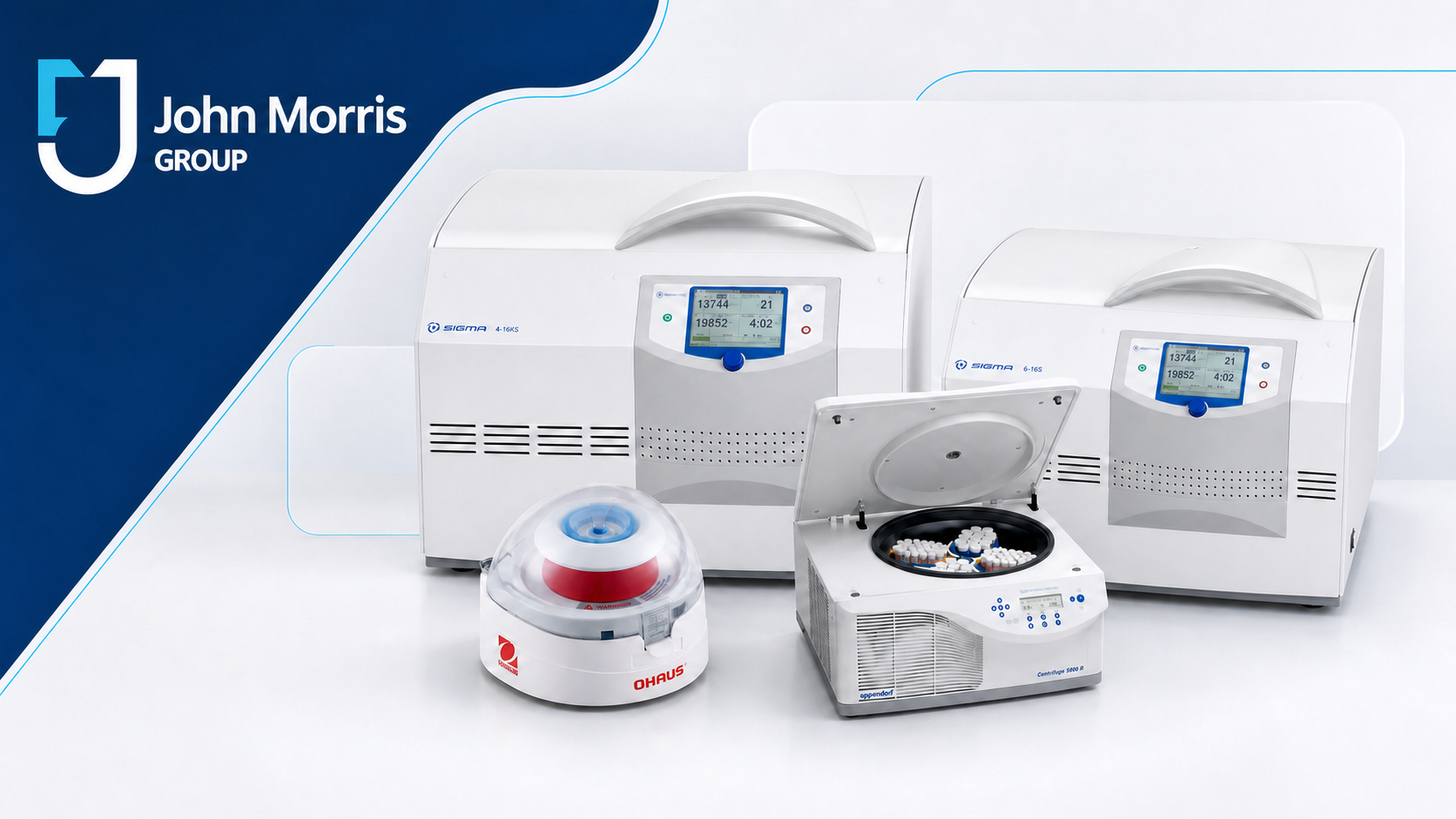
This guide compares four real benchtop centrifuge models currently available through John Morris Group in New Zealand, spanning a compact non-refrigerated unit through to a large-capacity refrigerated model, and covers the buying considerations that are specific to ordering lab equipment into NZ rather than repeating a generic explanation of what a centrifuge does.
In This Guide
Deciding What You Need · Model Comparison · The Four Models · NZ Buying Considerations · Common Mistakes · FAQ
Deciding What You Actually Need
Before comparing models, work out where your lab sits on two scales: sample volume and temperature sensitivity. A microbiology lab spinning down PCR tubes has almost nothing in common, buying-wise, with a clinical or biobanking lab spinning 1 litre bottles of temperature-sensitive samples, even though both are technically "benchtop centrifuges."
Quick Answer
If you are spinning small tubes or PCR strips and don't need temperature control, a compact mini centrifuge covers it for well under NZ$1,500. If you need large-volume capacity (1 L bottles) without temperature control, a general-purpose benchtop model fits. If your samples degrade at room temperature, whether that's cell cultures, blood products, or enzyme preparations, you need a refrigerated model, and that decision affects both the price and how long you will wait for delivery.
Model Comparison
| Model | Max Speed / RCF | Capacity | Refrigerated | Lead Time |
|---|---|---|---|---|
| Ohaus Frontier FC5306 | 6,000 rpm / 2,000 xg | 8 x 1.5/2 mL or 32 PCR tubes | No | 4 to 6 weeks |
| Sigma 6-16S | 13,500 rpm / 21,917 xg | 4 x 1,000 mL | No | 4 to 6 weeks |
| Sigma 4-16KS | 15,000 rpm / 25,155 xg | 4 x 750 mL | Yes, -20C to +40C | 4 to 6 weeks |
| Eppendorf 5920 R | 13,700 rpm / 21,194 xg | 4 x 1,000 mL | Yes, -11C to +40C | 6 to 10 weeks |
Worth noting: the Eppendorf 5920 R and the Sigma 4-16KS cover almost identical capacity and refrigeration territory, but the Eppendorf's quoted lead time runs noticeably longer. If timing matters more than brand preference, that is worth asking your JMG contact about directly before ordering.
The Four Models
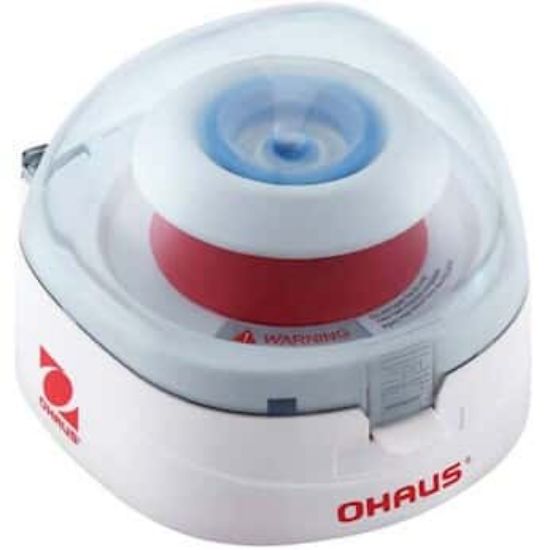
Ohaus Frontier FC5306 Mini Centrifuge
The cheapest and fastest-to-justify option here at NZ$1,183.35 incl. GST. Runs at 6,000 rpm with an 8-position 1.5/2 mL rotor plus a swappable 32-well PCR strip rotor, and takes up a footprint of only 16.8 x 15 cm. No refrigeration, so it is a fit for quick spin-downs at room temperature, not temperature-sensitive samples.
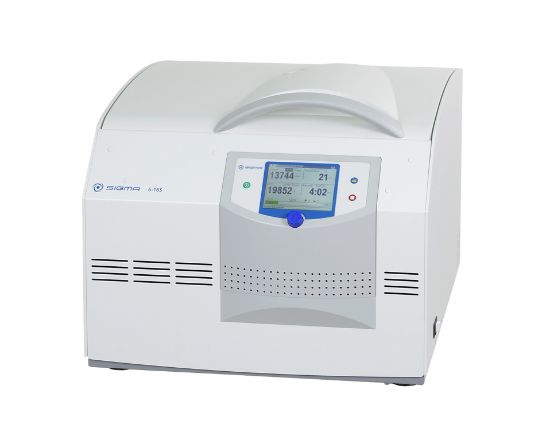
Sigma 6-16S Laboratory Benchtop Centrifuge
The step up in capacity from the FC5306 without adding refrigeration. Handles 4 x 1,000 mL at up to 21,917 x g, with 60 programmable methods and adjustable acceleration/deceleration to protect fragile samples. A practical general-purpose choice for a lab that needs real volume but works with samples that don't need cold running.
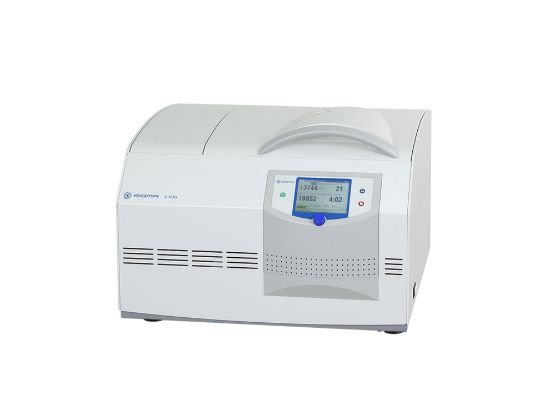
Sigma 4-16KS Refrigerated Benchtop Centrifuge
The fastest-spinning model in this comparison at 15,000 rpm and 25,155 x g, with digital refrigeration control from -20C to +40C. Best suited to clinical, blood product or biobanking work where both high force and tight temperature control matter at the same time.
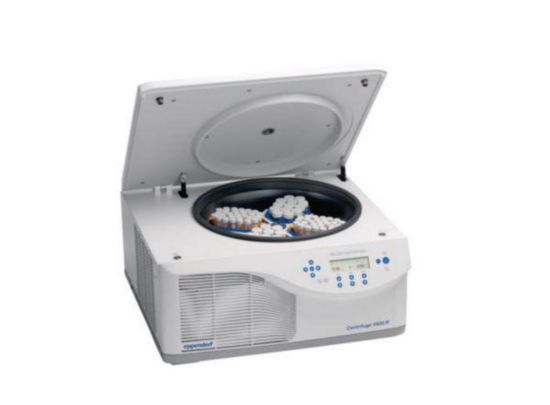
Eppendorf Centrifuge 5920 R
Currently the strongest search performer of the four on johnmorrisgroup.co.nz, ranking position 1 for "cooled centrifuge." A quiet-running (under 60 dB) swing-bucket design covering 4 x 1,000 mL with refrigeration down to -11C, built for continuous daily use rather than occasional spins. The longer 6 to 10 week lead time is the trade-off to plan around.
Buying Considerations Specific To New Zealand
Voltage: New Zealand mains supply is 230V. Some benchtop centrifuge listings are quoted at 200V or 220 to 240V depending on the source market, so confirm the exact supply voltage and plug configuration your quote covers before ordering, rather than assuming every listed model ships in an NZ-ready configuration by default.
Lead time: Every model in this comparison is quoted at four weeks or longer. If your centrifuge is replacing a failed unit rather than adding capacity, factor that lead time into whatever interim arrangement your lab needs, rather than assuming next-week delivery is realistic.
Servicing and calibration availability: Confirm your supplier can actually service and calibrate the model locally in New Zealand, not just sell it. Ask specifically whether calibration is IANZ accredited. See our guide to what IANZ accreditation actually means before assuming any "accredited" claim covers what you need it to.
Rotor and adapter availability: Confirm the specific rotor and tube adapters you need are included or available to order alongside the base unit. A centrifuge quoted without the right rotor for your tube format is not a complete solution, and rotor lead times can extend the overall wait further.
Common Mistakes
Most Common Mistake
Buying on max RCF alone without checking rotor capacity against actual sample volume. A centrifuge that hits a very high g-force with a small-tube rotor is not automatically better than one with a lower top speed and a larger-format rotor, if your actual samples are 1 L bottles rather than microtubes. Match rotor capacity to real sample format first, then compare speed and refrigeration.
- Underestimating lead time: Ordering a replacement centrifuge only once the old one fails, then discovering the new one is 6 to 10 weeks out.
- Assuming refrigeration is always needed: Paying for a refrigerated model when room-temperature spins were always going to be adequate for the actual sample type.
- Not confirming voltage before ordering: Assuming a listing is automatically NZ mains-ready without checking against the specific 230V, 50 Hz supply.
Frequently Asked Questions
What is the difference between a microcentrifuge and a benchtop centrifuge?
A microcentrifuge (like a mini centrifuge) is built for small tubes, typically 1.5 to 2 mL, and PCR strips, with no refrigeration in most models. A general benchtop centrifuge handles larger volumes, up to 1 L bottles in the models compared here, and is available with or without refrigeration.
Do I need a refrigerated centrifuge?
If your samples are temperature-sensitive, cell cultures, blood products, enzymes, or anything that degrades at room temperature during a multi-minute spin, yes. If you are working with stable chemical solutions or samples that will be processed immediately after spinning, a non-refrigerated model is usually sufficient and considerably cheaper.
How long does it take to get a benchtop centrifuge in New Zealand?
Based on current listings, four to six weeks is typical for the compact and standard benchtop models, extending to six to ten weeks for some larger refrigerated units. Always confirm the current lead time at the time of quote, since this can change with supplier stock levels.
What voltage do NZ labs need?
New Zealand mains supply is 230V, 50 Hz. Confirm any centrifuge quote matches this before ordering, since some manufacturer listings default to other regional voltages such as 200V or 220 to 240V.
Does John Morris Group service centrifuges in New Zealand?
John Morris Group offers installation, preventative maintenance and repair services for laboratory equipment in New Zealand. Confirm with your JMG contact whether accreditation-relevant calibration for your specific instrument is available, and whether it is issued under IANZ.
What is RCF and how does it relate to rpm?
RCF (relative centrifugal force) measures the actual force applied to a sample, while rpm (revolutions per minute) measures rotor speed. The two are related by rotor radius, so the same rpm produces different RCF values on different rotors. For a full explanation of the RCF/rpm relationship and worked conversion examples, see John Morris Group's centrifuge types guide.
Need A Benchtop Centrifuge For Your NZ Lab?
From compact mini centrifuges through to large-capacity refrigerated models, John Morris Group supplies benchtop centrifuges across New Zealand, along with installation, maintenance and calibration services.
Call 0800 651 700 or ask about current lead times before ordering.