Reliable Steam Sterilisation For Every Lab Workflow
An autoclave uses pressurised steam to sterilise laboratory and medical equipment, destroying bacteria, viruses and spores.
It remains the standard method for sterilising glassware, culture media, instruments and waste across laboratory, clinical and industrial settings.
How Does An Autoclave Work?
An autoclave works by raising steam above atmospheric pressure inside a sealed chamber, which pushes its temperature well above the normal boiling point of water. A typical cycle runs at around 121°C for 15 to 20 minutes, which is hot enough to destroy the bacteria, viruses and spores that survive ordinary boiling.
Because moist heat transfers energy more effectively than dry heat, autoclaving sterilises faster and more reliably than dry heat ovens for most laboratory materials.
Which Autoclave Type Do You Need?
The right autoclave depends on your chamber capacity needs, cycle requirements and how often you sterilise.
Choose A Vertical Benchtop Autoclave If
- •Bench space is limited
- •You sterilise glassware, liquids or culture media routinely
- •You need programmable, repeatable cycles
- •A smaller chamber suits your daily load
Choose A Higher Capacity System If
- •You process large batches of instruments or waste
- •Multiple departments share one autoclave
- •You need faster turnaround between cycles
- •You are decontaminating biological waste at scale
Ask Before Buying
- •What chamber size do you need day to day?
- •Do you need validation for regulatory compliance?
- •Are you sterilising liquids, solids or waste?
- •Do you have a water connection, or need a self-contained unit?
Autoclaving Vs Dry Heat Sterilisation At A Glance
Dry heat ovens are the main alternative to autoclaving. This table shows why moist heat sterilisation is preferred for most routine laboratory work.
| Criteria | Autoclave (Moist Heat) | Dry Heat Oven | Better Choice |
|---|---|---|---|
| Cycle Time | ✓ Typically 15 to 20 minutes | – Often 1 to 2 hours or longer | Autoclave |
| Liquids And Culture Media | ✓ Suitable | – Not suitable | Autoclave |
| Heat-Sensitive Powders And Oils | – Steam cannot penetrate effectively | ✓ Suitable | Dry Heat |
| Corrosion Risk To Metal Instruments | – Moisture exposure over time | ✓ No moisture exposure | Dry Heat |
What Is An Autoclave?
An autoclave is a sealed pressure vessel that uses steam to sterilise equipment and materials. It supports controlled sterilisation, validation and decontamination workflows across laboratory, clinical, research and quality control environments.
Most autoclaves use a mixture of tap water and demineralised or distilled water to generate steam, so water quality directly affects performance and maintenance over time.
For more on water purity in the lab, see our guide to distilled water uses and limitations.
Common Autoclave Uses
- •Sterilising glassware, instruments and tools
- •Preparing culture media
- •Decontaminating biological waste
- •Material testing and pressure vessel testing
What Temperature And Pressure Does An Autoclave Use?
A standard sterilisation cycle runs at approximately 121°C at around 15 psi (roughly 1 bar above atmospheric pressure) for 15 to 20 minutes. This combination of pressure and temperature is what allows steam to reach a temperature well above the normal 100°C boiling point of water.
Some laboratory autoclaves support extended, higher-temperature cycles. For example, programmable units can run from room temperature up to 140°C at around 2.7 bar operating pressure, which suits extended cycles, material testing and more demanding sterilisation requirements.
Always follow the specific cycle parameters recommended for your load type, since liquids, solids and waste each have different validated cycle requirements.
Why Labs Rely On Autoclaving
1. Fast, Reliable Sterilisation
Moist heat transfers energy more effectively than dry heat, so most cycles complete in 15 to 20 minutes.
2. Works On Liquids And Media
Unlike dry heat ovens, autoclaves safely sterilise liquids and culture media alongside solid items.
3. Broad Material Compatibility
Glass, stainless steel and many plastics such as polypropylene tolerate standard autoclave cycles well.
4. Validated, Repeatable Cycles
Programmable cycles and validation systems support consistent, documented sterilisation for regulated environments.
5. No Chemical Residue
Steam sterilisation leaves no chemical residue behind, unlike some liquid disinfectants.
6. Established Standard Method
Autoclaving remains the reference method for laboratory and clinical sterilisation worldwide.
What Can And Cannot Be Autoclaved?
Materials that generally tolerate standard autoclave cycles include borosilicate glass, stainless steel, and heat-stable plastics such as polypropylene and certain silicones. Many labware manufacturers explicitly mark items as autoclavable, including some Nalgene and Scienceware products.
Materials that are generally not suitable for standard autoclaving include heat-sensitive plastics such as polystyrene and PVC, most powders and oils where steam cannot penetrate effectively, and some electronics or sealed containers that could be damaged or pressurised unsafely.
Always check the manufacturer's specifications for the specific material and item before autoclaving, since tolerance can vary between grades and brands.
Autoclaves And Accessories At John Morris Group
John Morris Group supplies autoclaves, validation systems and safety accessories to support sterilisation workflows.
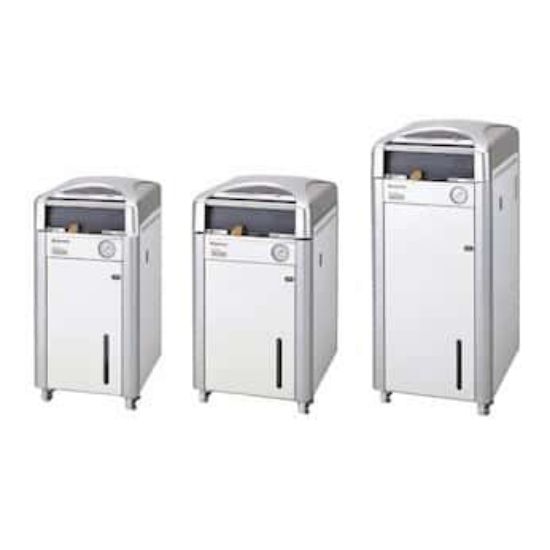
Yamato SN310(E) Vertical Autoclave
32 L vertical-loading laboratory autoclave with a cooling fan for faster cycle turnaround.
Browse This Autoclave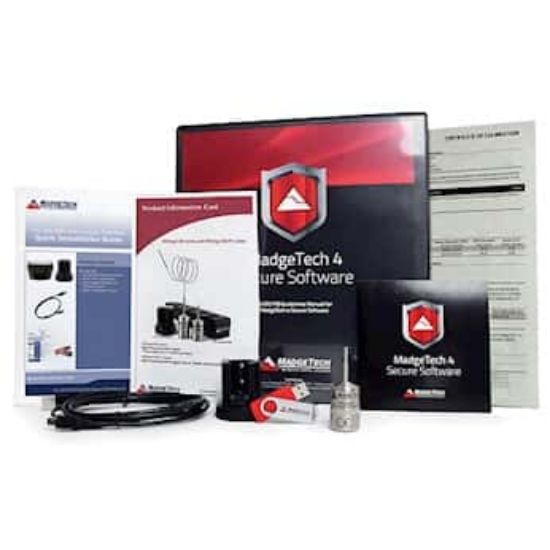
MadgeTech Validation System 1
Single-point autoclave validation logger with FDA 21 CFR Part 11 compliant software.
Browse Validation System 1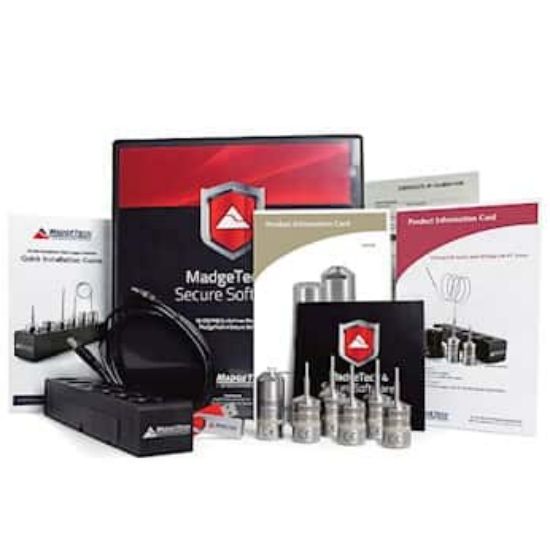
MadgeTech Validation System 6
Multipoint validation system with five temperature loggers and one pressure logger for full-chamber mapping.
Browse Validation System 6
Biohazard Autoclave Gloves
Heat-resistant gloves rated to 232°C for safely handling hot items straight from the autoclave.
Browse Autoclave GlovesExplore More Lab Sterilisation And Glassware Resources
Autoclaving is one part of a wider sterile workflow. See how water quality and glassware choice also affect your results.
Petri Dish Guide
Understand petri dish types and sizes, commonly sterilised before use in culture work.
Read The Petri Dish GuideDistilled Water Guide
Learn how water purity affects autoclave performance and other lab equipment.
Read The Water GuideBorosilicate Glass Guide
See why borosilicate glassware is well suited to repeated autoclaving and sterilisation cycles.
Read The Borosilicate GuideAutoclave FAQs
What Is An Autoclave Used For?
An autoclave is used to sterilise laboratory glassware, instruments, culture media and biological waste using pressurised steam, in laboratory, clinical, research and industrial settings.
What Temperature And Pressure Does An Autoclave Use?
A standard cycle runs at approximately 121°C at around 15 psi for 15 to 20 minutes. Some programmable laboratory autoclaves support extended cycles up to 140°C for more demanding sterilisation and material testing needs.
Can Plastic Be Autoclaved?
Many heat-stable plastics such as polypropylene tolerate standard autoclave cycles well, but heat-sensitive plastics like polystyrene and PVC generally cannot. Always check the manufacturer's rating for the specific item.
Can An Autoclave Destroy Prions?
Standard autoclave cycles are not considered fully reliable for inactivating prions. Prion decontamination typically requires extended, higher-temperature cycles combined with chemical pre-treatment, following current public health authority guidance rather than a routine sterilisation cycle.
Can An Autoclave Explode?
An autoclave is a pressure vessel, and like any pressure vessel it carries a safety risk if poorly maintained, improperly operated, or if safety devices fail. Regular validation, maintenance and correct operating procedure are the main safeguards against this.
How Do You Validate An Autoclave Cycle?
Autoclave validation uses temperature and pressure data loggers placed throughout the chamber to confirm every point reaches the required sterilisation parameters, typically supported by IQ, OQ and PQ protocols for regulatory compliance.
Need Help Choosing An Autoclave Or Validation System?
Talk to John Morris Group about autoclaves, validation systems and sterilisation accessories for your laboratory.
Contact UsCall 1300 501 555 or contact John Morris Group for quotation and technical support.