The Everyday Glassware Every Lab Relies On
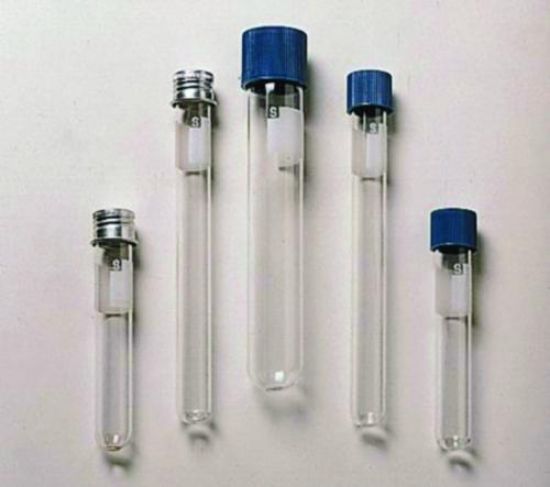
A test tube is a narrow, cylindrical vessel, open at the top and rounded or flat at the bottom, used to hold, heat, mix or transport small quantities of liquid or solid samples.
From general-purpose borosilicate glass tubes to disposable polypropylene tubes, the right test tube depends on the material, size, cap style and heat or chemical resistance your work requires.
What Is A Test Tube?
A test tube is a narrow tube, typically 10 to 25 mm in diameter and 75 to 200 mm long, open at one end and closed at the other with a round, flat or conical bottom. Laboratories use test tubes to hold, mix, incubate, heat or transport small samples. Centrifugation requires a tube with a documented RCF rating that matches the rotor and adapter.
The three common materials are borosilicate glass, chosen for its heat and chemical resistance; polypropylene (PP), a tough, broadly chemical-compatible plastic that's often available in autoclavable grades; and polystyrene (PS), prized mainly for optical clarity in disposable, non-heated work. Properties vary by grade and manufacturer, so confirm temperature, chemical and centrifugation ratings before use.
A test tube trades the wide mouth and stability of a beaker for a compact footprint that suits small samples run in parallel, rather than volume accuracy or ease of stirring.
Common Test Tube Applications
- •Culture growth, incubation and microbial storage
- •Small-scale mixing, heating and qualitative chemical tests
- •Sample collection, transport and short-term storage
- •Centrifugation when the tube has a suitable RCF rating and rotor fit
- •Teaching and demonstration in school and university labs
Borosilicate Glass, Polypropylene Or Polystyrene?
Start with whether the sample needs heat or aggressive chemical exposure, then confirm whether the tube needs to be reusable or is fine to discard after one use.
Choose Glass If
- •The manufacturer rates the tube for the intended flame, block or bath heating method
- •The tube will contact solvents or reagents that attack plastic
- •Optical clarity matters for reading colour changes or turbidity
- •The tube will be autoclaved and reused many times
Choose Polypropylene If
- •Breakage risk or safety around glass is a concern
- •The tube is a single-use, disposable item
- •You are running a high-throughput or teaching lab and cost per tube matters
- •You need a tough tube and will verify its temperature, chemical and RCF ratings
Choose Polystyrene If
- •Optical clarity is important for visual checks
- •The application is disposable and does not involve heating
- •The sample is compatible with the manufacturer's specified chemical range
- •Autoclaving and direct flame exposure are not required
Ask Before Buying
- •What dimensions and RCF rating does your rack, rotor, adapter or heating block require?
- •Does the tube need a screw cap, a stopper, or should it stay open?
- •Do you need graduation marks for an approximate volume reading?
- •Will the tube be autoclaved, and is it rated for that temperature?
Test Tube Materials At A Glance
Use this table as a starting point, then confirm the selected tube's manufacturer specifications for temperature, chemicals, sterilisation and centrifugation.
| Criteria | Borosilicate Glass | Polypropylene (PP) | Polystyrene (PS) | Better Choice |
|---|---|---|---|---|
| Direct Flame Heating | Only when the specific tube is manufacturer-rated for the heating method | ✗ Not for direct flame | ✗ Not for direct flame or high heat | Rated Glass Only |
| Breakage Risk | ✗ Shatters if dropped or knocked | ✓ Shatter-resistant, safer in busy or teaching labs | ✓ Shatter-resistant, but more brittle than PP | PP |
| Chemical Resistance | ✓ Resists most solvents and reagents | Broad compatibility, but check the exact reagent, concentration and temperature | More limited; confirm compatibility before use with solvents or aggressive reagents | Depends On Reagent |
| Optical Clarity | ✓ Excellent, ideal for colour or turbidity checks | Translucent; suitable when maximum clarity is not required | ✓ High clarity for visual observation | Glass |
| Autoclave / Sterilisation | ✓ Reusable, tolerates repeated autoclave cycles | Many grades are autoclavable, but check the rated temperature first | ✗ Generally not autoclavable | Depends On Grade |
| Typical Cost Per Tube | Higher, but reusable over its service life | ✓ Lower, suited to single use at scale | ✓ Often economical for disposable visual work | PP Or PS |
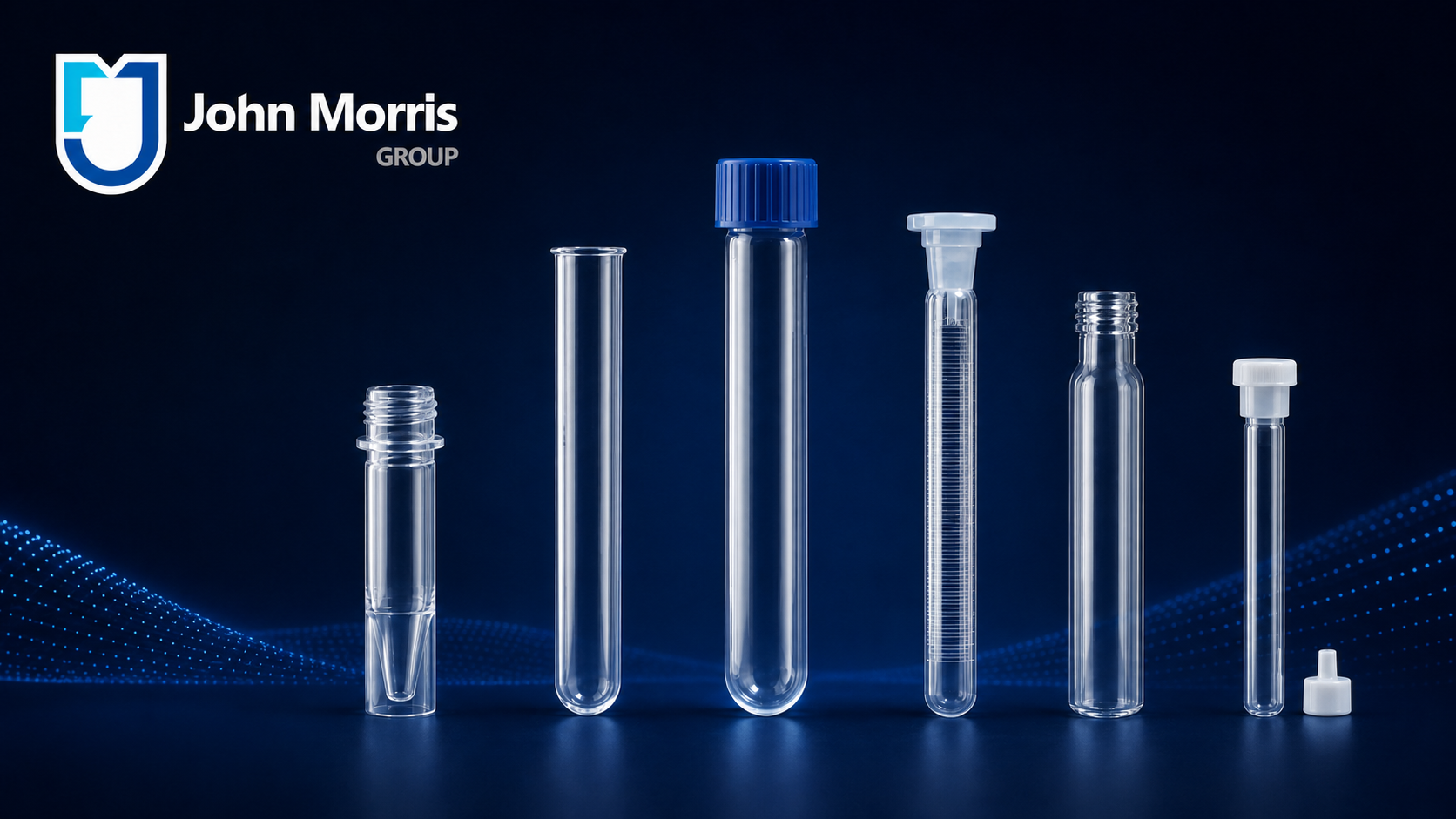
What Types of Test Tubes Are There?
Round-bottom tubes: The traditional shape, with a rounded base that resists cracking under heat and is easy to clean, but needs a rack or stand since it cannot stand upright on its own.
Flat-bottom and conical-bottom tubes: A flat base lets the tube stand unaided on a bench; a conical base helps concentrate material before decanting. Centrifuge a conical tube only when it has a suitable RCF rating and is compatible with the rotor and adapter.
Culture tubes: Typically fitted with a screw cap and used for growing, storing or transporting microbial cultures, where a secure, resealable closure matters more than in a simple mixing tube.
Graduated tubes: Carry printed or etched volume markings along the side for an approximate reading, useful when an exact volume isn't required but a rough guide is helpful.
Micro test tubes: Small-capacity tubes, often 0.5 to 2 ml, used for molecular biology, PCR preparation and other applications where only a tiny sample volume is involved.
Disposable sample tubes: Inexpensive plastic tubes intended for single use, common for trace metal analysis, sample collection and routine work where reuse isn't practical or hygienic. Disposable tubes are one part of a lab’s broader consumables spend — see our complete lab consumables guide for pipette tips, filter paper and other everyday categories.
Why The Right Test Tube Choice Matters
1. Sample And Reagent Safety
Matching the material to the chemicals or heat involved avoids a tube failing, cracking or reacting with its contents mid-experiment.
2. Consistent Results
Using the same tube size, material and manufacturer-rated operating limits across a batch helps keep heating, mixing and centrifuging conditions consistent between samples.
3. Lower Cost Per Sample
Choosing disposable plastic tubes for high-throughput or single-use work avoids paying for reusable glass you don't need.
4. Equipment Compatibility
The right diameter and length ensure the tube fits your rack or heating block. For centrifugation, also confirm the tube's RCF rating and compatibility with the rotor and adapter.
5. Contamination Control
A secure screw cap or stopper, in the right material, keeps cultures and sensitive samples free of contamination during storage or transport.
6. Safer Everyday Handling
Plastic tubes reduce breakage risk in busy or teaching environments, where dropped glassware is a common source of injury.
How Do Test Tube Sizes Work?
Test tube sizes are usually written as outer diameter by length, for example 16 x 100 mm, sometimes alongside a volume in millilitres. The diameter determines what rack, rotor or heating block the tube fits, while the length affects how much sample it holds and how easily it's handled with tongs or by hand.
Small tubes (around 10 to 13 mm diameter, a few millilitres capacity) suit micro-scale chemistry and indicator tests. Mid-range tubes (around 16 to 20 mm diameter, 10 to 25 ml capacity) cover most general laboratory and culture work. Larger tubes (25 mm diameter and above, 30 ml or more) are used for bulk qualitative tests, larger culture volumes, or where a larger sample is simply more practical to work with.
Always check the exact diameter and length against your rack, rotor, adapter or heating block before ordering. For centrifugation, dimensions do not replace a documented RCF rating. A tube that does not seat correctly or lacks the required rating can compromise safety and results.
Test Tubes At John Morris Group
John Morris Group supplies test tubes across borosilicate glass, polypropylene and PFA, in screw-cap, graduated and disposable formats.
Schuett-Biotec Test Tubes, Borosilicate Glass, 15 mL
Heavy-walled borosilicate glass tubes (16 x 98 mm) with autoclavable aluminium screw caps and rubber gaskets, suited to culture growth, transport and storage.
Browse This Test Tube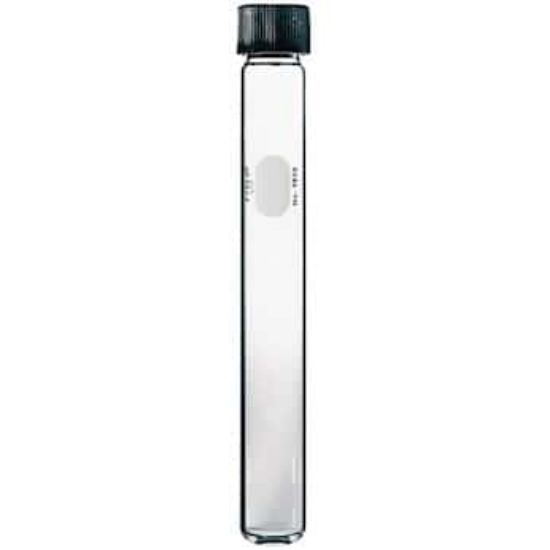
Pyrex Culture Tube, 16 x 125 mm, 15 mL
Borosilicate glass culture tube with a phenolic screw cap and PTFE-lined, rubber-bonded liner for an inert seal, plus a white enamel marking spot.
Browse This Test Tube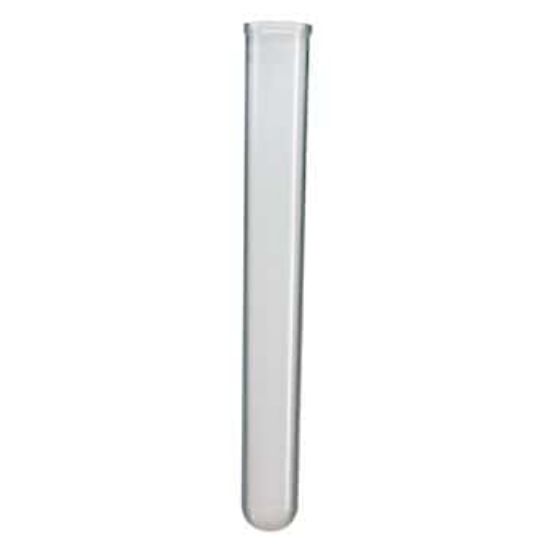
Cole-Parmer Disposable PP Test/Culture Tubes, 20 mL
Autoclavable polypropylene tubes (16 mm OD x 150 mm), sized for trace metal and ICP analysis as well as general disposable sample use.
Browse This Test Tube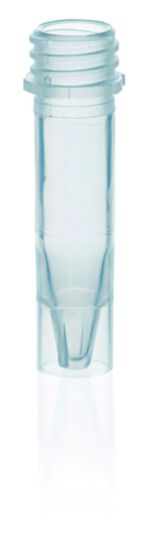
BRAND Micro Test Tubes, PP, 1.5 mL, Standing Ring
Self-standing polypropylene micro tubes rated from -196°C to +121°C, suited to centrifugation, boiling and general small-volume lab work.
Browse This Test Tube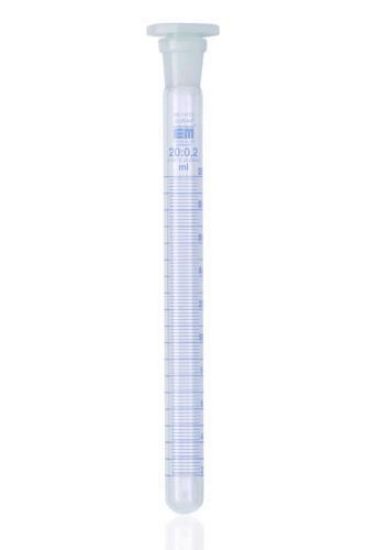
Hirschmann Graduated Test Tube, 20:0.2 mL, NS Ground Socket
Borosilicate glass 3.3 test tube with blue graduation markings, a ground-glass (NS) socket and PE stopper for a secure, reusable seal.
Browse This Test Tube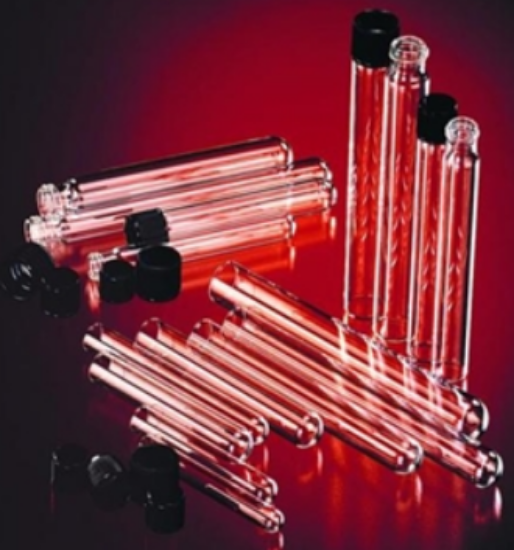
VWR Glass Culture Tubes, 13 x 100 mm, Round Bottom, Screw Neck
Non-sterile borosilicate glass tubes with a round bottom and screw-thread neck, supplied in bulk packs of 1000 for routine culture and general laboratory use.
Browse This Test Tube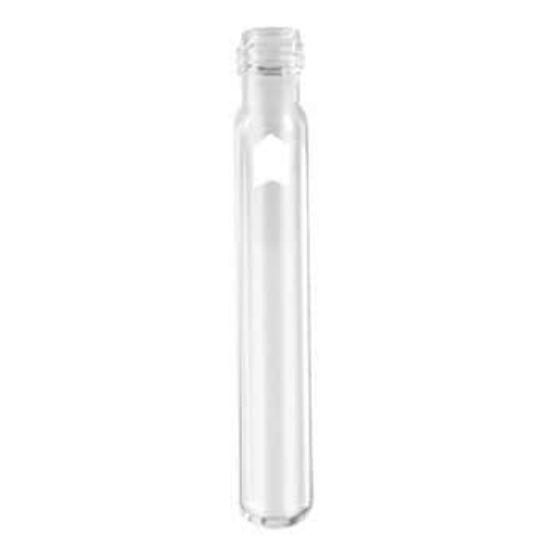
Kimble Disposable Culture Tubes, 20 x 125 mm, Borosilicate Glass
Single-use borosilicate glass tubes with printed white markings, supplied 500 per case for bacteriological and tissue culture work where reuse isn't practical.
Browse This Test Tube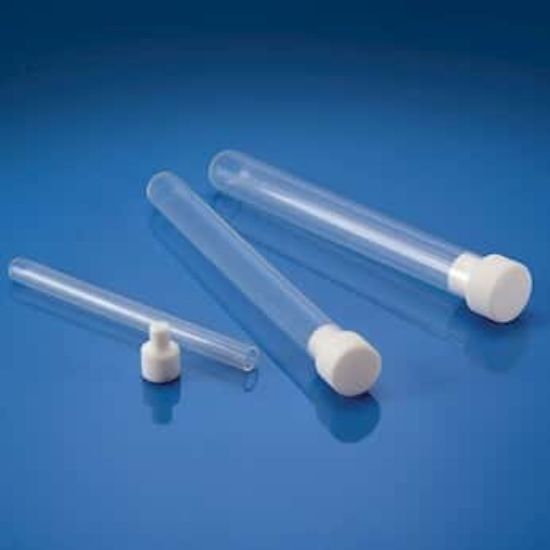
Chemware PFA Test Tubes With Caps, 25 mL
Fluoropolymer (PFA) test tubes with low metal-ion content and manufacturer-rated tolerance to 260°C, suited to trace metal and ICP analysis rather than general glass or PP use.
Browse This Test TubeExplore More Laboratory Glassware Resources
A test tube is one piece of a broader glassware toolkit. See how it fits alongside beakers, glass selection and volume measurement more generally.
What Is A Volume Beaker?
See how a beaker's wide mouth and stability differ from a test tube's compact, rack-friendly shape.
Read The Beaker GuideWhat Is Borosilicate Glass?
Learn the properties and types behind the glass most test tubes, beakers and flasks are made from.
Read The Borosilicate Glass GuideWhat Is A Graduated Cylinder?
Compare a graduated cylinder's precise volume scale with a test tube's approximate graduations.
Read The Graduated Cylinder GuideTest Tube FAQs
What Is A Test Tube Used For?
A test tube holds, heats, mixes or transports small liquid or solid samples, and is common in chemistry, biology, microbiology and clinical laboratory work, as well as in school and university teaching labs.
What Is The Difference Between Glass And Plastic Test Tubes?
Glass (usually borosilicate) test tubes handle direct heat and aggressive chemicals and can be reused after autoclaving, while plastic (usually polypropylene) test tubes are shatter-resistant, lower cost and often used once and discarded. Choose based on whether the tube needs to withstand direct heating or harsh solvents.
What Are Standard Test Tube Sizes?
Test tubes are sized by outer diameter and length, most commonly between 10 and 25 mm in diameter and 75 to 200 mm in length, with volumes ranging from around 1 ml micro tubes up to 50 ml or larger. Always confirm the exact size against your rack, rotor or heating block before ordering.
Round-Bottom Or Flat-Bottom Test Tube, Which Should I Choose?
A round-bottom tube resists cracking under heat and is easier to clean, but needs a rack or stand to hold it upright. A flat-bottom tube can stand on a bench unaided, which is convenient for storage and short-term handling but not necessarily the best shape for heating.
Can You Heat A Test Tube Directly Over A Flame?
Only heat a test tube when the manufacturer explicitly rates that model for the intended temperature and heating method. When direct flame heating is permitted, inspect the tube for damage, keep it unsealed, point the opening away from people and heat it gradually rather than concentrating heat in one spot. Never expose polypropylene or polystyrene test tubes to a direct flame.
How Do You Clean And Sterilise Test Tubes?
Reusable glass test tubes are typically washed with a laboratory detergent and rinsed thoroughly, then autoclaved to sterilise them for culture work. Confirm the cap or stopper material is also autoclave-rated, since not every plastic component tolerates autoclave temperatures. Disposable plastic tubes are generally discarded after a single use rather than cleaned and reused.
What Is The Difference Between A Test Tube And A Culture Tube?
"Test tube" is the general term for the shape, while "culture tube" usually describes a test tube fitted with a screw cap, specifically intended for growing, storing or transporting microbial cultures where a secure, resealable closure is needed.
Do Test Tubes Need A Cap Or Stopper?
It depends on the application. Open tubes are fine for brief mixing or heating where nothing needs to be sealed in. A screw cap, ground-glass stopper or snap cap is needed whenever a sample must be protected from contamination, evaporation or spillage during storage, incubation or transport.
Need Help Choosing The Right Test Tube?
Talk to John Morris Group about glass and plastic test tubes for culture work, general chemistry, teaching labs and disposable sample collection.
Contact UsCall 1300 501 555 or contact John Morris Group for quotation and technical support.