What Are Lab Consumables? What You Need And How To Choose
Lab consumables are the everyday supplies a lab uses up and replaces, as opposed to equipment it buys once and keeps for years.
Pipette tips, filter paper, gloves and sample tubes rarely get the same attention as a new instrument purchase, but running out of the wrong one at the wrong time can stop work just as effectively as a broken machine.
What Counts As A Lab Consumable?
A lab consumable is anything used once or a limited number of times before it is disposed of, replaced or restocked, rather than an instrument that is purchased once and serviced over its working life. Pipette tips, filter paper, gloves, sample tubes and serological pipettes are all consumables; a centrifuge, a balance or a microscope is equipment.
Because consumables are ordered again and again, getting the right grade, size or specification the first time matters more than it might seem. Reordering the wrong pipette tip or the wrong filter paper grade does not just waste money, it can genuinely change your results.
Consumables Versus Equipment
Equipment is a capital purchase, budgeted for occasionally and expected to last years with servicing and calibration. Consumables are an operating cost, budgeted for continuously and expected to run out on a predictable schedule tied to how much work the lab is doing.
Most consumable spend clusters into a small number of categories: pipetting consumables, filtration consumables, sample handling and storage, and personal protective disposables. Knowing which category a reorder falls into makes it easier to standardise on tested, compatible products rather than switching brands every time stock runs low.
For the equipment side of this same distinction, see our broader laboratory equipment guide.
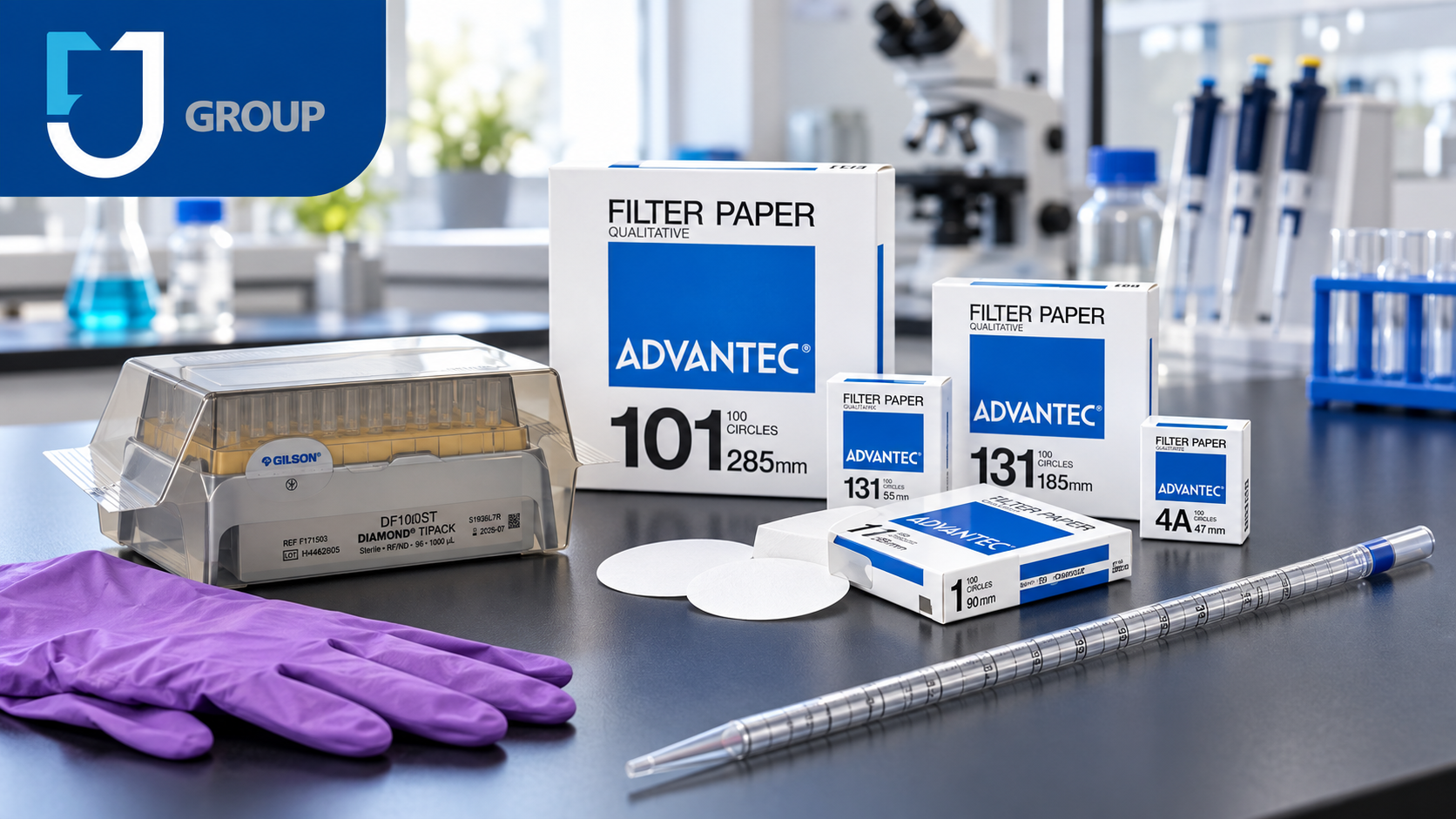
Common Lab Consumable Categories
- •Pipetting: tips, serological pipettes, tubes
- •Filtration: filter papers, membrane filters
- •Sample handling: petri dishes, test tubes, storage vials
- •PPE disposables: gloves, and single-use protective wear
- •General glassware and plasticware
General Purpose Or Specialised Consumables, Which Do You Need?
The right grade of consumable depends on what the result actually needs to hold up to, not just what is cheapest per unit.
Choose General Purpose Consumables If
- •The work is routine, teaching or general QA testing
- •Sterility or certification is not a documented requirement
- •Cost per unit matters most for a high consumption item
- •You are restocking a well understood, already validated item
Choose Specialised Consumables If
- •The work needs sterile, filtered or certified consumables
- •You are handling a chemical, biological or radioactive hazard
- •Your accreditation requires a documented, traceable specification
- •Cross-contamination between samples is a real risk
Ask Before Buying
- •Does this need to meet a NATA, ISO or other accreditation requirement?
- •Is it confirmed compatible with the specific instrument or pipette you own?
- •Does it need to be sterile, and does that sterility have a shelf life?
- •How often does your lab actually get through a full pack or box?
Consumable Categories At A Glance
A quick snapshot of what sits in each category and the main thing to check before ordering.
| Category | Examples | Typical Format | Key Thing To Check |
|---|---|---|---|
| Pipetting | Pipette tips, serological pipettes | Racked or bulk pack, sterile or non-sterile | Confirmed fit with your specific pipette brand |
| Filtration | Filter papers, membrane filters | Grade and diameter, boxed by pack size | Grade matched to particle retention needed |
| Sample Handling | Test tubes, petri dishes, storage vials | Glass or plastic, sterile or non-sterile | Material compatibility with your sample |
| PPE Disposables | Gloves, single-use protective wear | Boxed by size, sold per case | Chemical compatibility for the specific task |
The Main Consumable Categories Explained
Pipetting consumables: Pipette tips and serological pipettes are used once per sample in most protocols, so brand-specific fit matters more here than almost any other consumable. A tip that does not seat properly on your pipette can throw off volume accuracy without any obvious sign something is wrong.
Filtration consumables: Filter paper is graded by particle retention and flow rate, not just by size. A grade suited to fast, coarse filtration will not do the job of a slower, fine-retention grade, so match the grade to the task rather than reordering by diameter alone.
Sample handling consumables: Test tubes, petri dishes and storage vials need to be compatible with the sample and the equipment used to process it, for example centrifuge rotor compatibility or autoclave tolerance for reusable glass items.
PPE disposables: Gloves are the most commonly restocked PPE item, and glove material needs to match the specific chemical being handled rather than being chosen on comfort or price alone.
Why Getting Consumables Right Matters
1. Reproducible Results
Switching brands or grades mid-study can quietly change results in ways that are hard to trace back afterward.
2. Contamination Control
Sterile and filtered consumables exist specifically to stop cross-contamination between samples or processes.
3. Supports Accreditation
Documented, traceable consumables help meet NATA, ISO or other accreditation requirements where they apply.
4. Predictable Budgeting
Standardising on tested consumables makes ongoing running costs far easier to forecast than ad hoc reordering.
5. Instrument Compatibility
A tip, tube or filter that is not confirmed compatible with your specific equipment can cause errors that look like an instrument fault.
6. Staff Safety
Choosing PPE disposables matched to the actual chemical or biological hazard is a basic safety requirement, not a formality.
Building A Reliable Restocking Routine
Track usage of your highest-volume consumables, tips, gloves and filter paper are usually the top three, so you can reorder ahead of running out rather than reacting to an empty shelf mid-experiment.
Standardise on one tested, compatible product per role wherever possible rather than switching supplier or grade opportunistically, since even a small spec change can shift results in ways that are difficult to catch later.
Be careful about over-ordering sterile or time-limited consumables. Buying in bulk to save money only helps if the stock gets used before its sterility or shelf-life expires.
Lab Consumables At John Morris Group
One product from each of the four main consumable categories covered above.
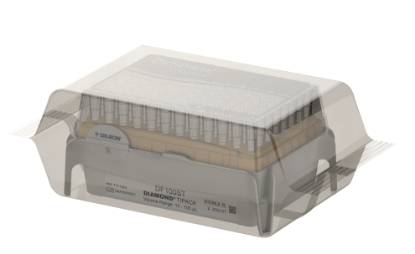
Gilson PIPETMAN DIAMOND Filtered Sterile Pipette Tips
Racked, filtered and sterile tips for the PIPETMAN range, sold in a box of 960 for high-throughput pipetting work.
Browse This Consumable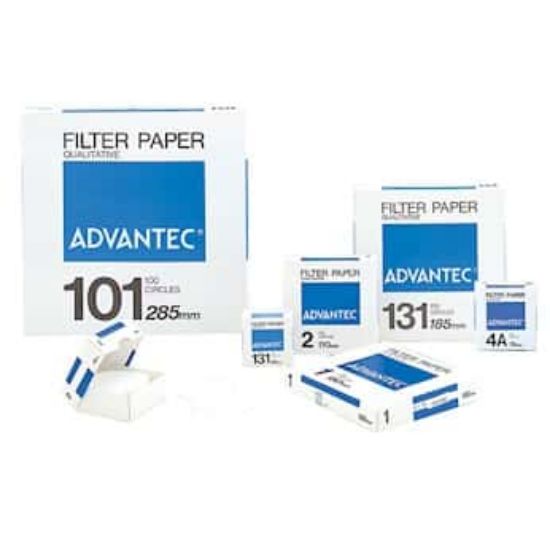
Advantec Grade No. 235 Qualitative Filter Paper
A qualitative grade filter paper, 7 cm diameter, sold in a pack of 100 for routine general purpose filtration.
Browse This Consumable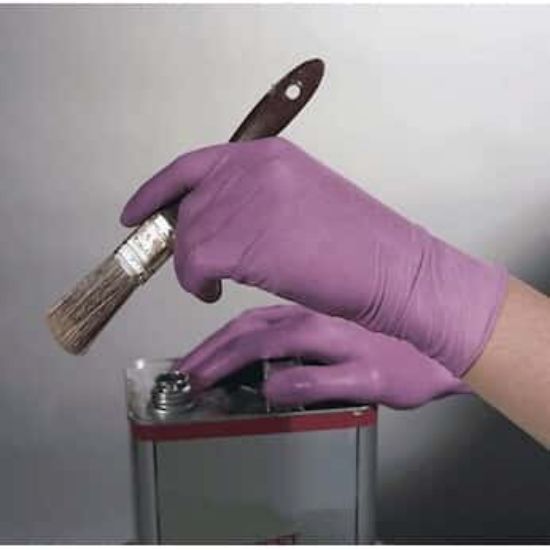
MAPA Gloves, Neoprene/Nitrile/Rubber, Large
A durable chemical splash resistant glove built for handling solvents and other aggressive chemicals, not just general lab dexterity work.
Browse This Consumable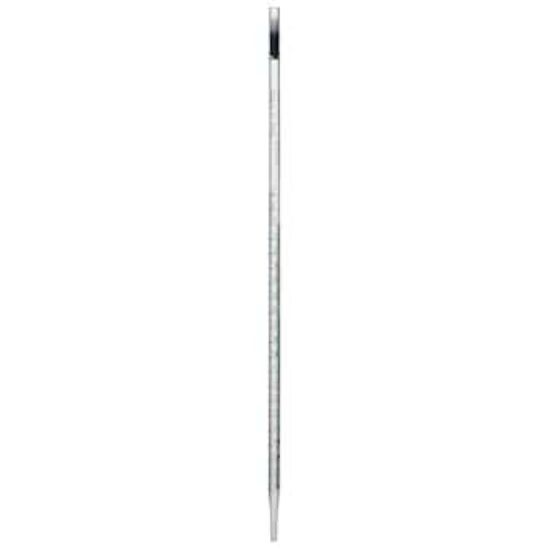
Corning Stripette Serological Pipettes, 10 mL
Sterile, single-use polystyrene serological pipettes, sold 200 per case, for accurate volume transfer without cross-contamination risk.
Browse This ConsumableExplore More Lab Supplies Resources
Several consumable categories above have their own dedicated buying guide with more depth than a general overview can cover.
What Is A Petri Dish?
A deeper look at one of the most common sample handling consumables, including sizing and material choice.
Read The Petri Dish GuideTest Tube Types Explained
Compare test tube materials, sizes and closures for the sample handling side of your consumables list.
Read The Test Tube GuideLaboratory Equipment Guide
The equipment side of the consumables versus equipment distinction covered earlier in this guide.
Read The Equipment GuideLab Consumables FAQs
What Is The Difference Between A Lab Consumable And Lab Equipment?
A consumable is used up or replaced on a regular basis, such as pipette tips, filter paper or gloves. Equipment is purchased once and kept in service for years, such as a centrifuge or balance, and is usually maintained rather than replaced.
Do Pipette Tips Fit Any Pipette Brand?
No. Tips are designed to seal against a specific pipette shaft, and a tip that is not a confirmed match for your pipette brand can affect volume accuracy even if it appears to fit. Always check compatibility before switching tip brands.
How Do I Choose The Right Filter Paper Grade?
Match the grade to the particle retention and flow rate the task needs, not just the diameter. A fast, coarse grade suits quick general filtration; a fine-retention grade suits work that needs to remove smaller particles, even if it filters more slowly.
Do Lab Consumables Need To Meet NATA Or ISO Requirements?
It depends on your accreditation scope. If your lab is NATA accredited or working to an ISO standard, check whether your specific test method specifies a documented consumable grade or certification, and buy to that specification rather than assuming any similar-looking product qualifies.
How Should I Choose Gloves For Chemical Handling?
Choose glove material based on the specific chemical being handled, not general dexterity or comfort. Neoprene and nitrile blends, such as the MAPA glove above, are chosen for their resistance to particular solvent classes, and the safety data sheet for the chemical is the right place to confirm compatibility.
Should I Buy Sterile Consumables In Bulk?
Only if you will genuinely use the stock before its sterility or shelf life expires. Bulk buying a sterile consumable that then sits unused past its expiry wastes the saving and creates a compliance problem if it is used anyway.
How Often Should Lab Consumables Be Restocked?
There is no single answer, it depends entirely on your lab's actual usage rate. Tracking consumption of your highest-volume items lets you reorder ahead of running out rather than discovering a shortage mid-experiment.
Are Lab Consumables Covered By The Same Warranty As Equipment?
No. Consumables are generally covered against manufacturing defects on arrival rather than a service warranty, since they are designed to be used once or a limited number of times rather than serviced over a working life like equipment.
Need Help Sourcing Lab Consumables?
Talk to John Morris Group about pipetting, filtration, sample handling and PPE consumables for your lab.
Contact UsCall 1300 501 555 or contact John Morris Group for quotation and technical support.