Environmental & Flow Monitoring
How To Measure Accurate Flow In Open Channels
Accurate flow measurement in an open channel matters for a lot of everyday reasons: tracking the rate of flow in a waterway, quantifying a city's water usage, measuring stormwater runoff in a catchment, or monitoring the effluent coming out of a commercial operation. Teledyne ISCO's LaserFlow sensor measures that flow without ever touching the water, using a laser to read velocity from above the surface instead of a probe submerged in it.
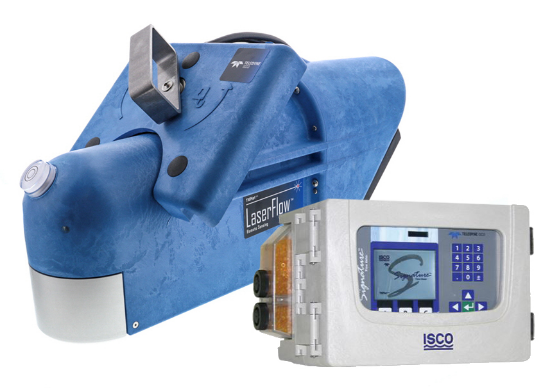
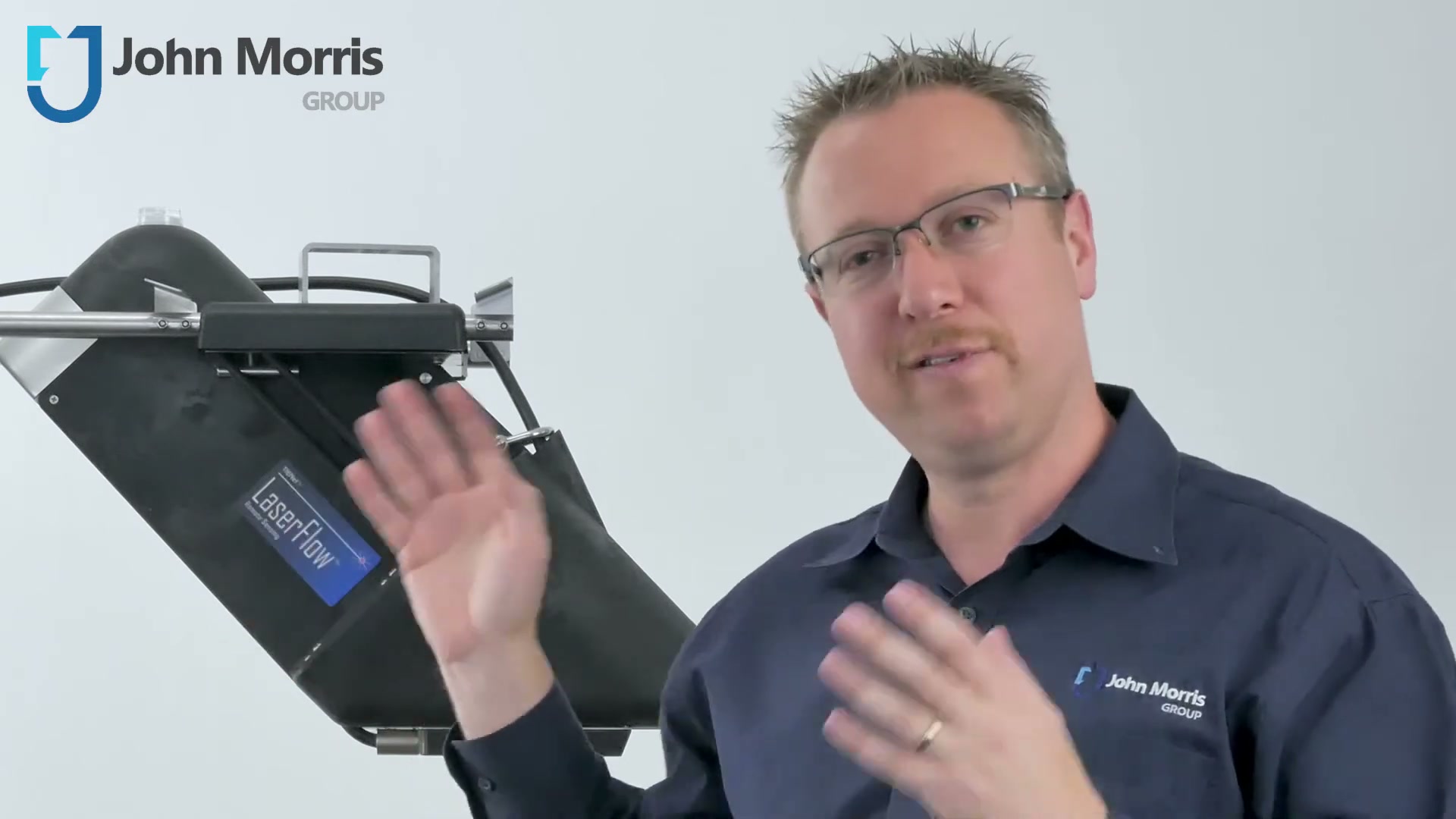
The LaserFlow sensor, a non-contact flow meter from Teledyne ISCO.
At A Glance
Best suited for: open channels, manholes and drains where a submerged sensor is impractical or hazardous
Measurement principle: non-contact laser Doppler velocity sensing, paired with ultrasonic level sensing
Main benefit: no submerged sensor, so no health and safety complications and no disturbance to the flow being measured
Works with: Teledyne ISCO's Signature flow meter platform
Why Keeping The Sensor Out Of The Water Matters
LaserFlow is designed to take readings and calculate flow from above the body of water rather than from inside it. Because the sensor is mounted above the water rather than in it, there are no complications around health and safety or being installed in potentially hazardous conditions.
It also means the sensor has no impact on the flow movement itself, which matters most in low-flow and slow-flow situations, where even a small submerged probe can disturb the very thing it's trying to measure.
Easy To Install, Built For Rough Conditions
A common use for LaserFlow is installation into manholes to measure flowing drains. A street-level installation tool that's available with LaserFlow can help avoid the need for confined space entry certification when installing it into a manhole.
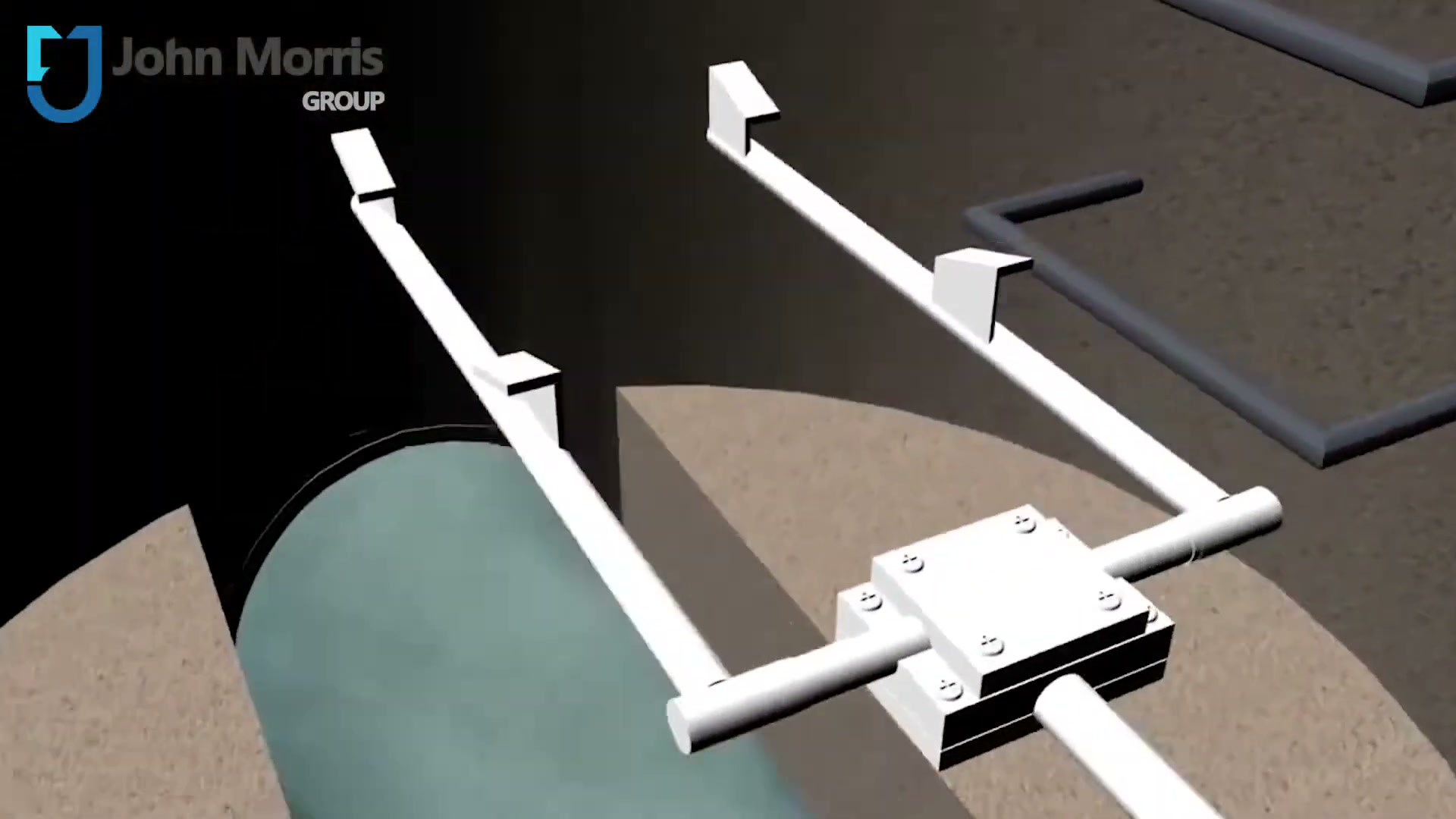
Mounted above the flow inside a manhole, rather than submerged in it.
The sensor housing is IP68-rated chemical- and heat-resistant plastic, which makes it tough and means there's little to be concerned about when handling the unit in the field.
How The Laser Actually Measures Velocity
An ultrasonic sensor mounted on the back of the unit first determines the distance from the sensor to the water's surface. With that distance known, the laser automatically focuses below the water's surface and calculates velocity based on the Doppler shift in the returning laser signal.
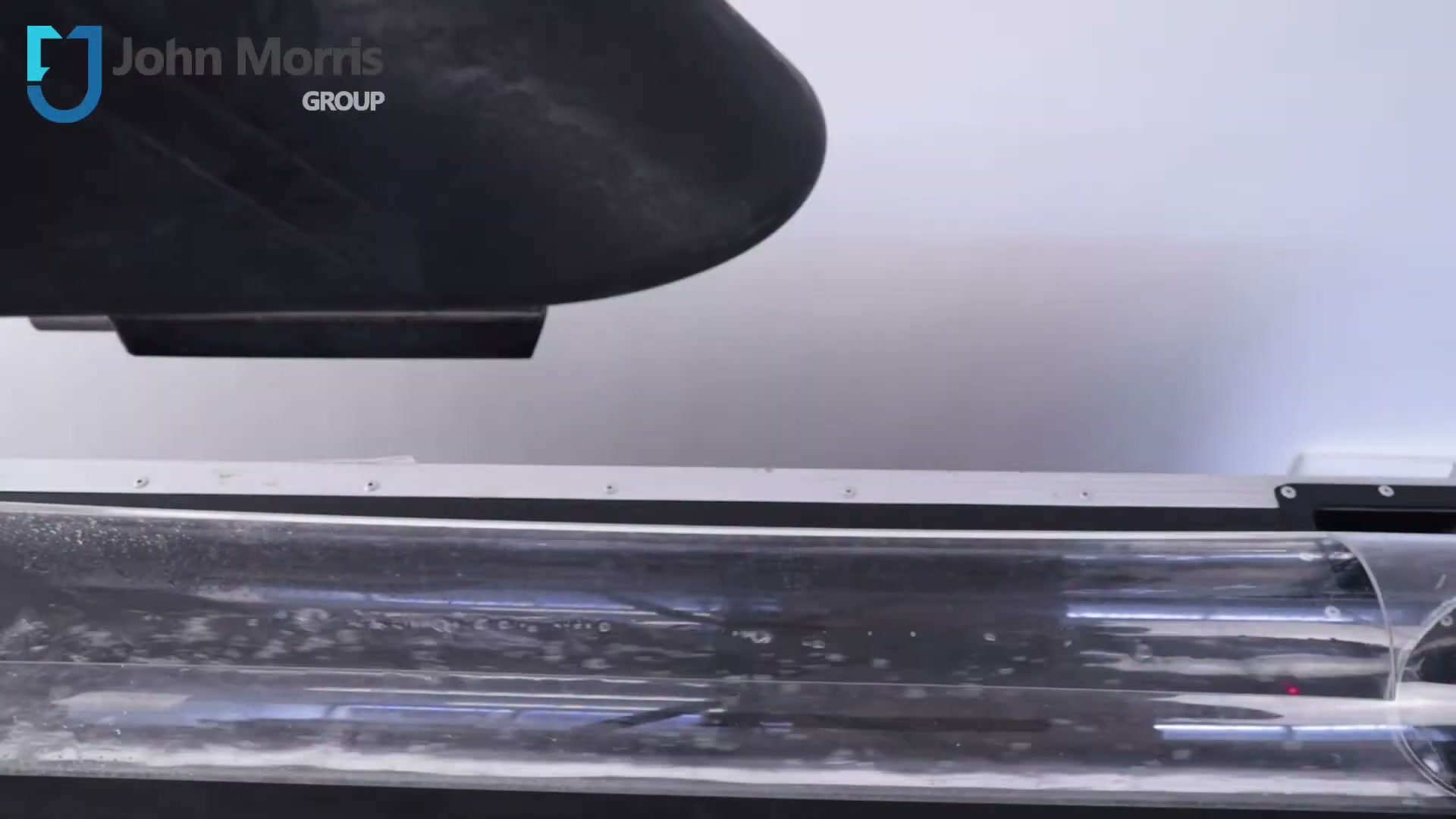
The laser focusing below the water's surface in a demonstration flow channel.
Why below the surface matters: other non-contact technologies rely on reading the movement of the surface water, which can be thrown off by turbulent conditions or crosswinds. LaserFlow's laser penetrates below the surface to read the water itself, which is why it holds up better in difficult conditions such as low flow, low depth or ultra-clean water.
LaserFlow takes about 5,000 readings in roughly two seconds and averages them out into a small number of highly accurate data points. It's also capable of focusing the laser at 15 different locations below the water's surface, taking a reading at each one, which builds a much clearer picture of what's happening inside the water column itself rather than relying on a single point reading.
From Sensor Reading To Flow Rate
Once the velocity and water level data has been collected by the sensor, that information is sent to a flow meter, such as Teledyne ISCO's Signature flow meter, which translates the readings into units of flow.
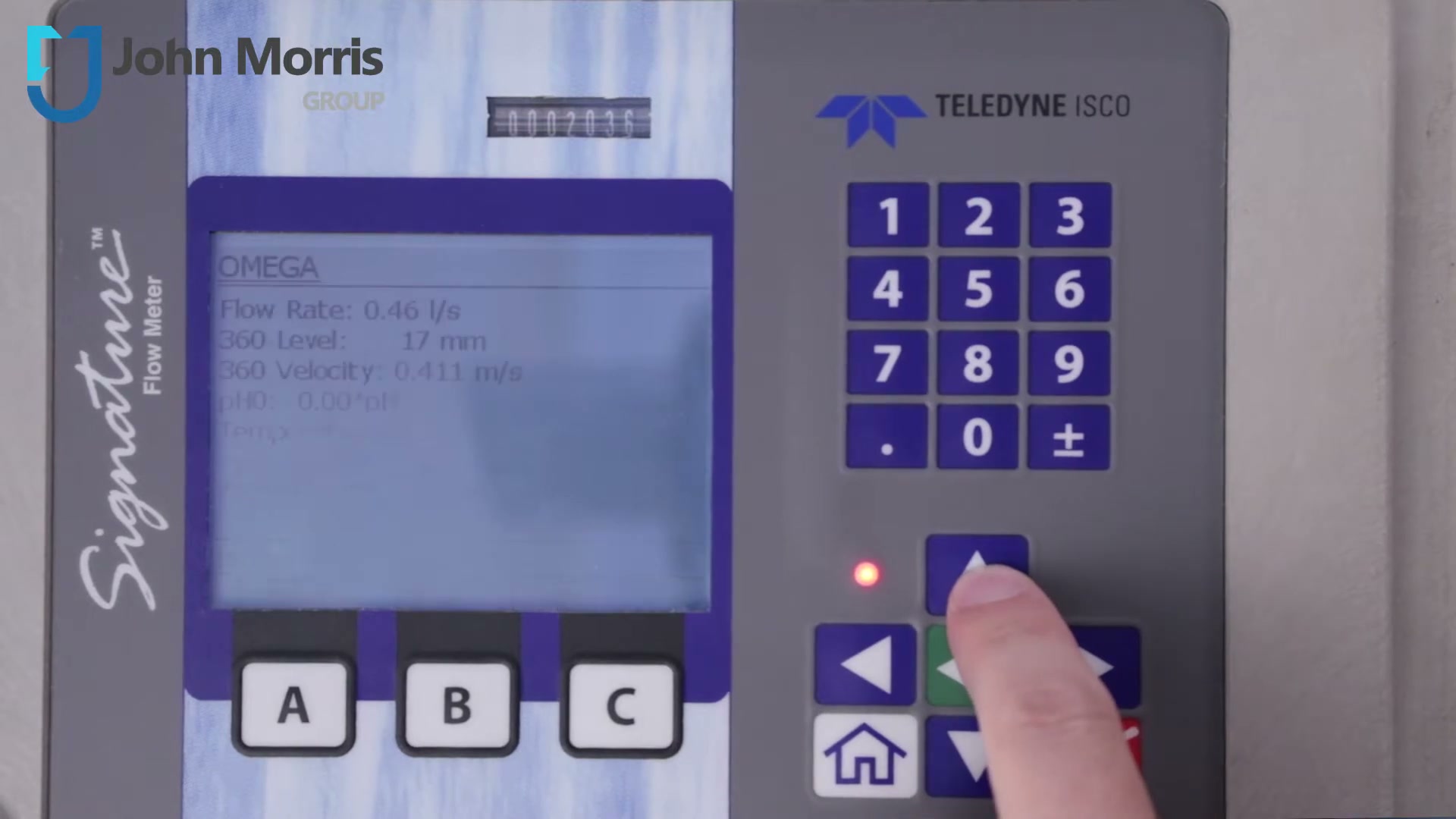
The Signature flow meter turning sensor data into flow rate, level and velocity readings.
Getting The Data Out
From the flow meter, there's a range of options for collecting data for analysis: connect it to an online SCADA system if one is available, attach a wireless modem to collect data remotely over a mobile network, or simply download the data to USB and transfer it directly to a PC.
Non-contact, laser-based, and built for open channel flow monitoring.
Need Help Setting Up Open Channel Flow Monitoring?
Choosing the right sensor and flow meter setup depends on your site conditions, access, and whether the location counts as a confined or hazardous space. John Morris Group can help configure a Teledyne ISCO LaserFlow and Signature system for your application.
Contact John Morris GroupOr call 1300 501 555