Protecting Hearts and Minds Using Spider Venom
Using a variety of advanced technologies inluding the CEM Liberty Blue Peptide Synthesis instrument, The University of Queensland Professor Glenn King explored the chemical composition of spider venom and potential uses for the myriad of molecules he discovered.
Enlisting the help of spiders to kill insects makes sense because spiders have had more than 300 million years of evolution to develop insecticidal molecules.
But using molecules from spider venom to treat heart attacks and strokes in people?
That’s innovative thinking.
“Ten years of working with spiders made us realise that these venoms have molecules that have potential as human therapeutics,” Professor King said.
“While some of them hurt humans, most of the thousands of molecules within spider venom are harmless to us – and some are actually beneficial.”
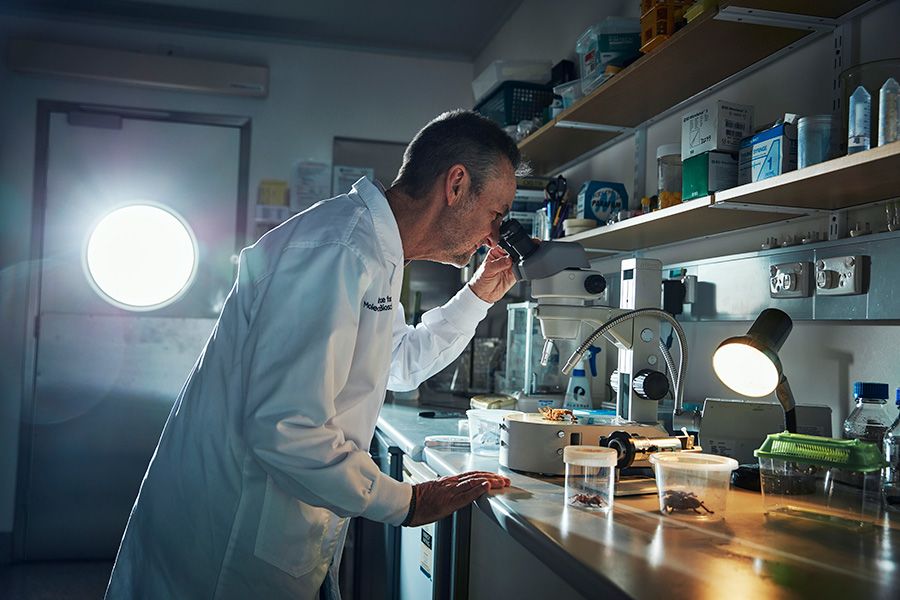
One of these beneficial molecules, IB001, was discovered in the venom of another Australian funnel-web spider from K’gari, formerly known as Fraser Island.
Professor King, with IMB colleague Dr Nathan Palpant and collaborators from the Victor Chang Cardiac Research Institute and Monash University, found that IB001 can prevent the death of cells following strokes and heart attacks.
Importantly, IB001 can be administered by first responders rather than only in a hospital environment, meaning greatly improved outcomes for patients in remote, rural and regional areas of Australia.